
Megan Barnard’s Moral Courage
The A.B.C. MurdersThis thread follows Megan’s refusal to preserve a comforting image of her sister and her difficult movement from grief toward love and hope.
increasing Bearing strength in each event
 decreasing
Bearing strength in each eventdecreasingA Sister’s Clear Sight

Refusing the Obituary
A blunt truth
Megan tells Poirot that Betty was foolish, not the immaculate young woman newspapers would describe. Her honesty breaks through a protective social convention.
Affection without illusion
She insists she loved her sister despite disapproving of her choices. The combination makes her testimony more credible and more humane.
The Fear of Donald
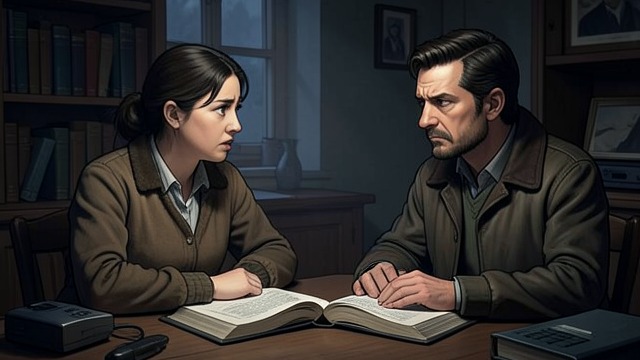
Protecting the Living
A dangerous temper
Megan describes Donald’s jealousy and past threats. She fears that his words will make him a suspect in Betty’s murder.
Choosing disclosure
She gives Poirot the truth once she learns of the larger ABC threat. Her loyalty does not prevent her from telling investigators what they need.
A Place in the Legion

Grief Becomes Work
Shared investigation
Megan joins Franklin Clarke’s Special Legion and investigates Milly Higley. She uses directness as a practical tool rather than merely a personal trait.
A new alliance
Her conversations bring her into sympathy with Franklin, while Donald watches uneasily. Personal relationships begin shifting inside the investigation.
A Refusal of Truth
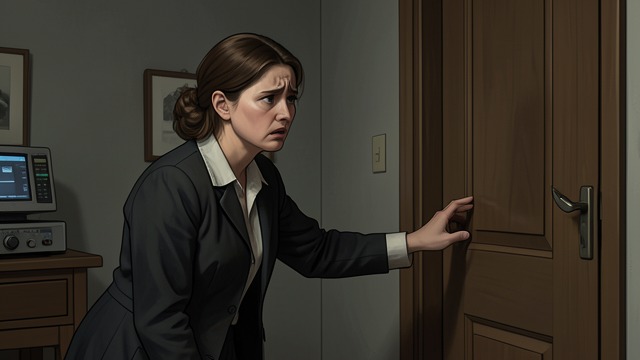
Truth Has a Cost
An unexpected answer
Poirot asks whether Megan wants the truth, and she answers no. Her response reveals the emotional burden of discovering what might implicate someone she loves.
Honesty remains
Though she does not want painful revelations, she answers truthfully. Her values are more complex than a simple devotion to facts.
A Possible New Love
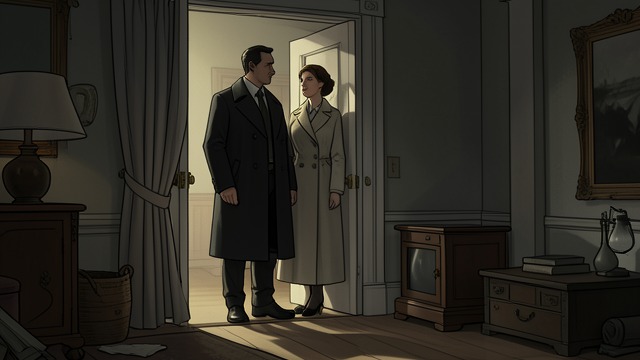
Beyond the Dead Sister
Grief changes shape
Poirot tells Donald that his dream reflects the gradual replacement of Betty’s image by Megan’s. He gives him permission to love again without treating memory as betrayal.
A hopeful ending
Donald accepts the possibility, and Megan’s future is no longer defined solely by loss. Their emerging bond gives the case a human aftermath.
July 25, 1935
During the first Bexhill inquiries
After the third murder
During Poirot’s private questioning
After the killer is exposed
